Hair System Maintenance Schedule: Daily, Weekly and Monthly Checklist
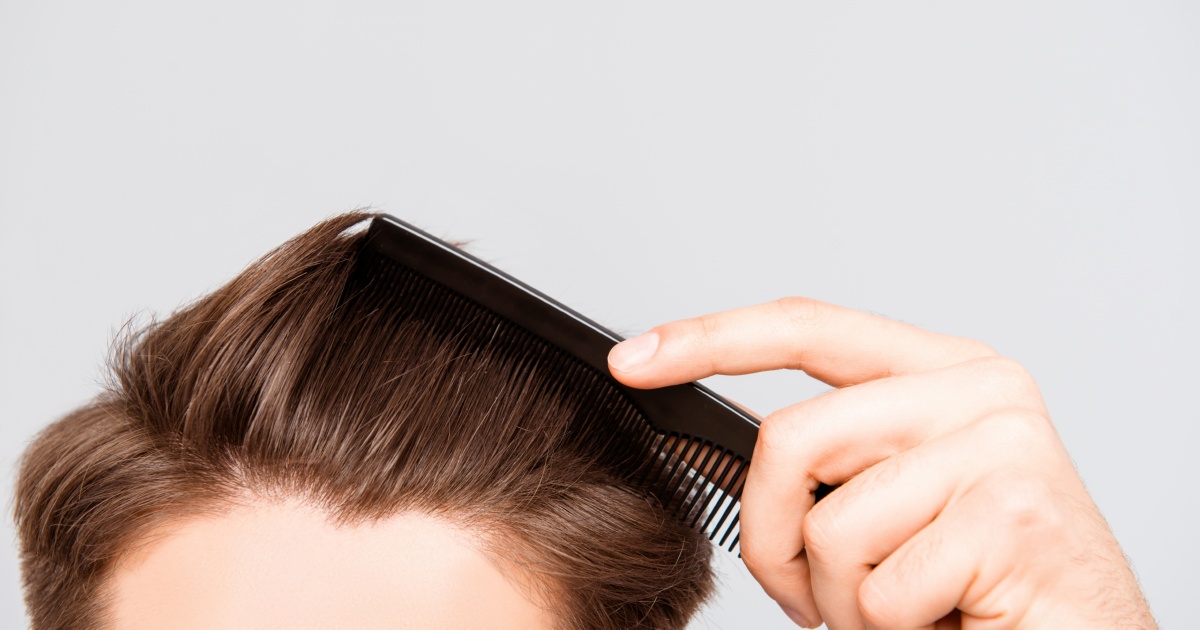
Quick answer: A working hair system maintenance schedule has four layers. Daily, spend five to ten minutes combing, patting the base dry and checking the perimeter. Weekly, wash and condition the hair and inspect the bond line. Every two to four weeks, remove the system completely, deep clean the base, clean your scalp and re-bond. Monthly, inspect the base for wear, audit hair condition and reorder supplies. Wearers who follow this routine typically get three to six months from a system instead of four to eight weeks.
The difference between a hair system that lasts six weeks and one that lasts six months is rarely the price you paid. It is the routine. Human hair on a base has no scalp feeding it oil, so every day it loses a little moisture and every bond cycle leaves a little residue behind. Maintenance is how you slow both processes down.
Here is the full schedule, broken into the intervals you will actually remember.
Why a Schedule Beats Guesswork
Most damage to a hair system is cumulative rather than dramatic. Adhesive residue builds along the perimeter until the lace stiffens and tears. Hair dries out gradually until it tangles at the nape. Sweat sits under the base until the bond weakens and the knots loosen.
None of those things happen in a single day, which is exactly why people let them slide. A fixed schedule catches each problem while it is still reversible.
It also protects your scalp. Consistent cleaning and controlled wear cycles are the simplest way to avoid the itching, flaking and blocked follicles that come from leaving a bond in place too long.
Daily Hair System Maintenance Checklist
Time needed: 5 to 10 minutes total, split between morning and night.
Morning
- Comb gently from the ends upward with a wide-tooth comb or loop brush. Never rake from the roots down, since that pulls on the knots.
- Apply a light leave-in conditioner or hair system spray to the mid-lengths and ends only, keeping it off the base and the bond line.
- Style with low heat or no heat. If you use a dryer, keep it on cool or warm and keep it moving.
- Run a finger around the perimeter to check for any lifting edges. Catching a lift early means one small tape repair instead of a full reattachment.
Through the day
- Avoid touching or adjusting the hairline. Repeated contact transfers oil and loosens the front.
- If you sweat heavily, pat the perimeter dry rather than wiping it. Wiping drags the bond.
Night
- Comb through again to remove tangles before they set overnight.
- Sleep on a satin or silk pillowcase. Cotton creates friction that causes tangling at the nape and shortens hair life noticeably.
- If you remove nightly, place the system on a wig stand rather than folding it flat.
Daily do-not list: no hot tools on high heat, no alcohol-based styling products near the base, no sleeping with damp hair, no towel rubbing.
Weekly Hair System Maintenance Checklist
Time needed: 30 to 45 minutes.
Wash and condition
How often you wash depends on your scalp and activity level. As a rule, wash every three to five wears, or weekly for average wear, and more often if you train hard or work outdoors.
- Wet the hair with lukewarm water. Hot water swells the hair cuticle and weakens knots.
- Apply a sulphate-free shampoo to the hair, stroking downward. Do not scrub in circles.
- Rinse thoroughly, making sure no product sits along the base.
- Apply conditioner to the mid-lengths and ends. Keep conditioner off the base, because it can loosen knots and interfere with adhesion.
- Rinse with cool water and pat dry with a microfibre towel.
- Air dry on a stand where possible.
Weekly deep conditioning
Once a week, use a richer moisturising treatment on the hair only. Leave it on for 15 to 20 minutes, then rinse with cool water. This is the single most effective habit for preventing the dry, straw-like texture that develops around the two-month mark.
Weekly inspection
- Check the perimeter for adhesive buildup and lifting.
- Look at the front hairline under good light for any loosening knots.
- Check for shedding. A small amount is normal. A sudden increase usually means the hair is drying out or the wash technique is too rough.
- Refresh any tape that has loosened, rather than waiting for it to fail.
Every Two to Four Weeks: Full Removal and Reattachment
This is the core cycle, and the interval depends on your base material and how heavily you sweat.
| Base type | Typical bond cycle |
| Thin skin and poly | 1 to 3 weeks |
| Lace with tape | 1 to 2 weeks |
| Lace with glue | 2 to 4 weeks |
| Silk top and mono | 2 to 4 weeks |
| Hybrid lace and poly perimeter | 2 to 4 weeks |
The removal and reset routine
- Saturate the bond. Apply an appropriate remover along the perimeter and let it work for the time the product specifies. Never pull a dry bond.
- Lift slowly from the back toward the front, supporting the base as you go.
- Clean the base. Soak the perimeter in remover or adhesive solvent, then use a soft brush or an orange stick to lift residue off. Every trace has to come off, because leftover glue is what stiffens lace and causes tearing.
- Wash the system as in the weekly routine, then let it dry on a stand.
- Clean your scalp. Use a gentle clarifying wash to remove oil, dead skin and residue. Let the skin dry fully.
- Rest the skin for a few hours or a full day if your scalp is reactive.
- Prep and re-bond with fresh tape or glue on clean, dry, oil-free skin.
Tip: shift the bond line by a few millimetres each cycle so the same strip of skin is not under adhesive every time.
Monthly Hair System Maintenance Checklist
Time needed: about an hour, once a month.
- Full base inspection. Hold the base up to light. Look for thinning lace at the front, small splits at the perimeter, stretched sections and areas where knots have loosened. Small holes are repairable. Large tears usually are not.
- Hair condition audit. Check the ends and the nape, which dry out first. If the hair is dull and tangling even after deep conditioning, the system is approaching the end of its useful life.
- Colour check. Sun and chlorine lift tone over time. A toner or colour refresh from a salon can buy you extra weeks.
- Haircut and blend. Even a well-cut system loses shape as the hair around it grows. A trim and re-blend every four to six weeks keeps the transition natural.
- Supplies inventory. Count your tape, glue, remover, scalp prep and shampoo. Running out mid-cycle is how people end up using whatever is in the bathroom cabinet, which is where irritation starts.
- Send anything repairable. Small perimeter splits, loose poly edges and thinning front sections can often be repaired for a fraction of the cost of a new system. Hollywood Lace offers a hair system repair service, and it is usually worth sending a system in at the first sign of wear rather than waiting for it to fail.
Every Three to Six Months: Replace or Repair
Human hair on a base has no natural oil supply, so texture degrades with time no matter how careful you are. Most wearers replace a system every three to six months. Thin skin bases tend to sit at the shorter end, lace in the middle, and mono or silk top at the longer end.
Signs it is time to replace:
- Hair tangles within minutes of combing, even after conditioning
- The base has multiple repaired areas or a stiff, glazed perimeter
- The hairline looks thinner or the knots are visibly loosening
- The system no longer holds a bond for its usual cycle
The two-system rotation
Owning two systems and alternating them is the most reliable way to extend the life of both. Each one gets a full drying and resting period, adhesive residue is easier to remove, and you are never caught without hair when one needs repair. Most long-term wearers end up doing this, and many find that two rotated systems last longer in total than three used back to back.
Maintenance Schedule at a Glance
| Interval | Tasks | Time |
| Daily | Comb, light conditioner, perimeter check, satin pillowcase | 5 to 10 min |
| Weekly | Wash, deep condition, bond line inspection, tape refresh | 30 to 45 min |
| Every 2 to 4 weeks | Full removal, base deep clean, scalp clean, re-bond | 60 to 90 min |
| Monthly | Base inspection, hair audit, trim and blend, restock supplies | 60 min |
| Every 3 to 6 months | Replace or send for repair | Varies |
Adjusting the Schedule to Your Life
If you train or sweat heavily: shorten the bond cycle, wash more often, rinse the perimeter with cool water after workouts and dry it properly. Consider an extended-hold adhesive designed for high sweat.
If you live in a hot or humid climate: favour breathable lace bases, shorten bond cycles and wash at the shorter end of the range.
If you swim: rinse immediately with fresh water. Chlorine and salt strip moisture fast and fade colour. Deep condition the same day.
If you have an oily scalp: clean the scalp more often and use a stronger prep before bonding, since oil is the main reason bonds fail early.
If you have a sensitive scalp: build in rest days between bonds, keep cycles short and use the gentlest remover that will do the job.
Mistakes That Cut Lifespan in Half
- Washing with hot water, which loosens knots
- Getting conditioner on the base
- Rubbing with a towel instead of patting
- Sleeping with a wet system
- Leaving adhesive residue on the perimeter
- Combing from the roots downward
- Stretching bonds far beyond the recommended cycle
- Using high-heat styling tools on human hair that cannot repair itself
Avoiding these eight things will do more for your system than any premium product.
Getting Set Up
A workable routine needs the right supplies on hand: a sulphate-free shampoo, a moisturising conditioner, a scalp prep, your chosen tape or glue, a remover suited to your skin, a wide-tooth comb and a stand. Hollywood Lace stocks daily tapes, extended tapes, glues, scalp prep and removers, along with a repair service for systems that are still worth saving.
If you are not sure which bond cycle suits your base material, or whether a system should be repaired or replaced, call 954-505-7000 or email support@hollywoodlace.com.
Frequently Asked Questions
How often should I wash my hair system?
Most wearers wash every three to five wears, or roughly once a week. Increase that if you exercise hard, work outdoors or have an oily scalp. Always use lukewarm water and a sulphate-free shampoo, and keep conditioner away from the base.
How long does a hair system last?
With a consistent routine, three to six months is typical. Thin skin bases usually last one to three months, lace around three to four months, and mono or silk top four to six months. Skipping deep cleans and stretching bond cycles can cut any of those figures in half.
How often should I remove and re-bond my hair system?
Every one to four weeks depending on the base and adhesive. Tape on lace tends to run one to two weeks, glue on lace two to four weeks, and thin skin one to three weeks. Sweating heavily shortens all of these.
Can I sleep in my hair system?
Yes, provided the bond is secure and the hair is dry. Use a satin or silk pillowcase to reduce friction, and comb through before bed. If you wear tape rather than glue, check the perimeter each morning for lifting.
What happens if I do not clean the adhesive residue off the base?
Residue hardens, stiffens the lace or poly and eventually causes tearing along the perimeter. It also traps sweat and bacteria against the scalp, which leads to itching and blocked follicles. Full residue removal at every reattachment is the most important single maintenance step.
Should I use regular shampoo on my hair system?
No. Regular shampoos often contain sulphates and strong detergents that strip the hair and can weaken knots. Use a sulphate-free shampoo designed for hair systems or for colour-treated hair, and apply it in downward strokes rather than scrubbing.
Is it worth repairing a hair system instead of buying a new one?
Often, yes. Small perimeter splits, loose poly edges, thinning front sections and knot repairs are usually far cheaper than a replacement. Repair makes less sense once the hair itself has lost condition, since repairs fix the base and not the hair.
Do I really need two hair systems?
It is not essential, but rotating two systems lets each dry fully between wears, makes residue easier to remove and means you always have a backup while one is being cleaned or repaired. Most long-term wearers move to a rotation once they settle on a preferred base.
Can I use heat styling tools on a hair system?
Sparingly, and on low settings with a heat protectant. Human hair on a base cannot repair itself the way growing hair does, so heat damage is permanent. Air drying and low-heat styling will add weeks to the usable life of the hair.









 USD
USD
 English








 Text Us
 Callback Request
 Email Us
 Wholesale Request